

In 2013, Jonathan Mildenhall stood on a stage in Cannes to explain how Coca-Cola had become Creative Marketer of the Year. Coke’s head of global advertising talked about desire. He talked about people wanting to wear the T-shirt. About how “creativity sparks brand love”.
Everyone clapped. It was a good talk from a good marketer. And it was, as far as the room was concerned, gospel.
Kevin Roberts had put Coke at the top of the Lovemarks pile a decade earlier. ‘Open Happiness’ ran for seven years on the premise that the planet needed the kind of love only its brand could supply. Coke even built the hug, a vending machine in Singapore that gave you a free can if you cuddled it. And inside Atlanta, since the turn of the century, the number every marketing team was measured on, paid on and promoted on was a perception metric called, you guessed it, Brand Love.
There was only one problem with all this love.
The sales.
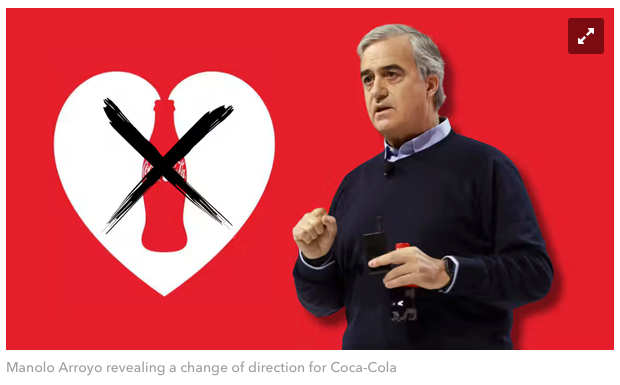
By the middle of the last decade, Coca-Cola’s volumes had been flagging for the best part of ten years. Trademark Coke was growing at about 1% a year, which, for the biggest brand in the world, is a polite way of saying not at all. And through most of that decade, the brand love number kept going up. Marketing pointed at its dashboard and said, “Look how much they love us. Sales pointed at the depletion report and said look how little they drink. Millions of people, as Coke’s own marketing chief would later put it, say they love Coca-Cola and proudly wear the T-shirt. But rarely drink one. That realization was driving an electric session at the ANA Masters of Marketing in Orlando last Wednesday, and the most important sentence a Coca-Cola executive has uttered in a very long time. “With age and with experience,” Manolo Arroyo told the room, “I do not believe any more in love.”
You should know a bit about Arroyo’s career at Coca-Cola before you weigh that line…
